What is AR Learning? Complete Guide to Augmented Reality in Education
Students often study for hours. Still struggle to understand concepts clearly. This phenomenon happens because traditional learning focuses more on reading than on seeing. AR learning solves this problem by making education visual and interactive. It allows students to view 3D models and understand topics more quickly. This form of learning improves memory and engagement. In India, where digital education is growing quickly, AR learning is becoming a tool. This guide explains how it works, its benefits, and how students can start using it.
What is AR Learning?
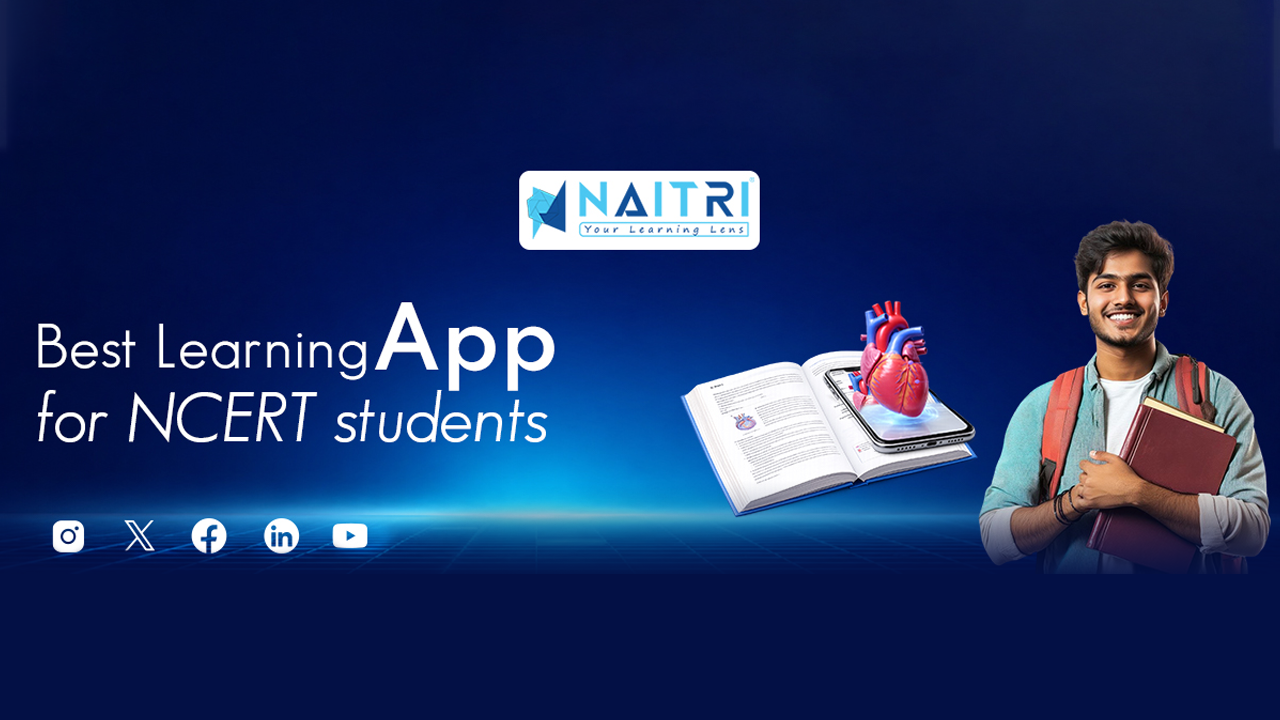
AR learning, also called augmented reality learning, is a method in which digital 3D content is overlaid onto the real world using a smartphone or tablet. In simple terms, it lets students see and interact with concepts rather than just read about them. For example, a student can view a heart, rotate it, and understand its parts clearly.
Why AR Learning is Important Today
Traditional learning often depends on memorization. This makes it hard for students to understand topics. AR learning improves this by supporting visual learning styles. It turns ideas into real experiences. In India, many students do not have access to labs or practical tools. AR bridges this gap by offering education through mobile devices. It also supports AR learning online, making it accessible from anywhere.
How AR Learning Works
Here are some benefits of AR learning:
- Open an AR learning app on your phone
- Scan an image or surface using the camera
- A 3D model appears on the screen
- Interact by rotating, zooming, and exploring flow: Scan → Visualise → Interact → Learn
Many augmented learning apps follow this process to make learning easier and more engaging.
Naitri is designed as a learning aid, not a substitute for teaching. We understand that the heart of education is the teacher, which is why our stations require no additional management or technical learning from the school staff.
Key Benefits of AR Learning
Here are some benefits of AR learning:
- Improves understanding through learning
- Supports different visual learning style needs [Should be either ‘Supports the needs of different visual learning styles’ or ‘Supports different visual learning styles’]
- Makes lessons interactive and engaging
- Provides practical learning without labs
- Allows flexible study through AR learning online
| Feature | AR Learning | Traditional Learning |
|---|---|---|
| Understanding | Visual | Theoretical |
| Engagement | High | Low |
| Tools | AR Apps / Education | Books |
| Flexibility | Anytime | Fixed |
AR focuses on visual education, which improves retention and clarity.
Best AR Learning Apps in India
There are augmented reality apps for education available for students. Free Apps Here are some primary features of free apps:
- Good for beginners
- Includes free AR apps for education
Paid Apps
- Full syllabus coverage
- Better visuals and interaction
- Used by schools and institutions
Categories include:
- Educational AR apps for school learning
- AR education apps for subject-based learning
- Augmented reality for education apps for concepts
Use of AR Learning in Different Subjects
Here are some subjects that you can learn via AR learning:
- Science: Students can explore planets, organs, and physics concepts using augmented reality applications in education.
- Chemistry: Complex structures become easy with tools like AR chemistry, augmented reality education.
- Mathematics: 3D shapes and geometry can be visualized clearly.
- History: Students can explore monuments and historical events in an engaging and interactive way.
AR vs VR Learning
Let’s understand the difference between AR and VR in brief:
- AR (Augmented Reality): Adds digital elements to the world .
- VR (Virtual Reality): Creates a virtual environment .
Virtual reality education apps are immersive but need special devices. AR is easier and more practical for learning. Together, they form the future of AR VR learning.
Features of a Good AR Education App
An app should include:
- Easy-to-use interface
- Curriculum-based content
- Interactive 3D models
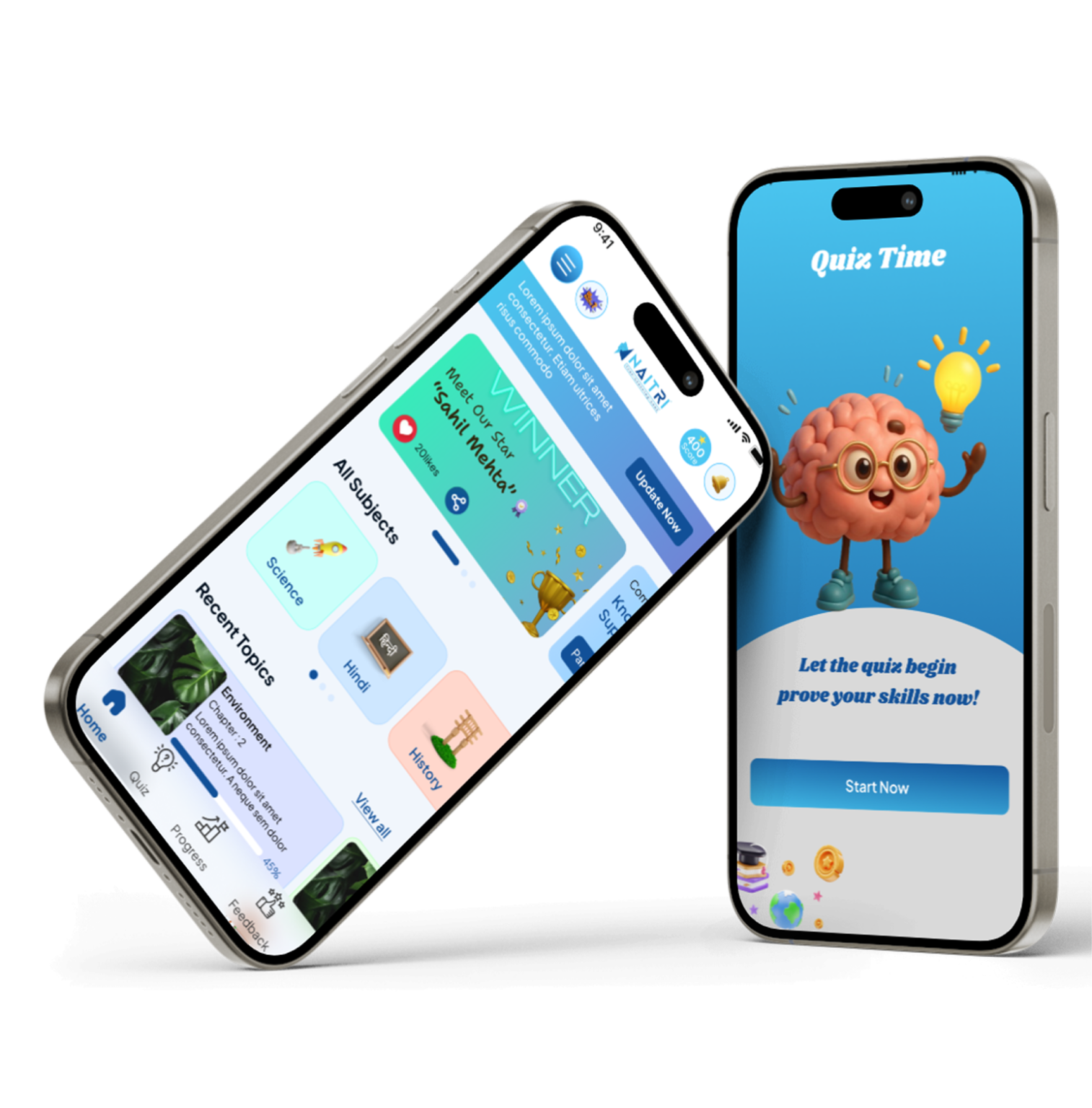
- Progress tracking
Top AR education platforms offer quizzes and personalized learning experiences. Choosing the right AR learning app is essential for achieving better results.
Free vs Paid AR Apps
Choose free apps if:
- You are just starting
- You need understanding
Choose Paid Apps if:
- You want full syllabus coverage
- You need advanced features
Many augmented reality apps for higher education offer detailed and in-depth learning for advanced students.
Is AR Learning Worth It?
Yes, AR learning is worth it for students who want to understand and engage. It is especially helpful for:
- Learners
- Science and math students
- Students without access to labs
However, it should be used along with traditional learning for the best results. The growth of AR-based education app platforms shows its increasing importance in India.
Challenges of AR Learning
Here are some challenges students might face with AR learning:
- Requires a smartphone or tablet
- Needs internet in some cases
- Paid apps can be costly
- Teachers may need training
Still, the rise of augmented reality training app solutions is helping overcome these challenges.
Future of AR Learning in Education
The future of AR learning is strong. More schools are adopting augmented reality applications in education. AR is also being combined with AI for learning.
There is a growing demand for:
- Augmented reality apps for higher education
- Advanced augmented learning apps
In the coming years, AR will become a part of classrooms in India.
How to Start Using AR Learning
Here are a few steps to follow to begin using AR learning:
- Download a trusted AR learning app
- Start with one subject, like science
- Try AR apps for education first
- Explore learning websites
- Practice regularly
Conclusion
AR learning is changing the way students understand and engage with education. It makes learning more visual, interactive, and effective. As augmented reality learning continues to grow in India, students now have access to tools that improve clarity and retention. While many apps are available, choosing the platform matters. Solutions, like Naitri, are helping bring this experience to students in an accessible way. As education evolves, AR learning is set to become a part of every student’s journey.
FAQs
- What is AR learning in simple words?
AR learning is a method in which augmented reality tools help students see and interact with 3D models to better understand concepts. - Are there free AR apps for education?
Yes, there are many free AR apps for education that offer basic features and are suitable for beginners. - What are the best AR education apps?
The best educational AR apps depend on your needs. Some focus on the school syllabus, while others offer advanced instruction in their subjects. - What is the difference between AR and VR learning?
AR adds digital elements to the real world, while virtual reality education apps create a fully virtual environment. - Is AR learning useful for exams?
Yes, AR supports visual learning styles, which improves understanding and helps students remember concepts better for exams.
Explore Similar Insights